How to Enhance Event Accessibility with Audio Solutions in Australia

Understanding Event Accessibility
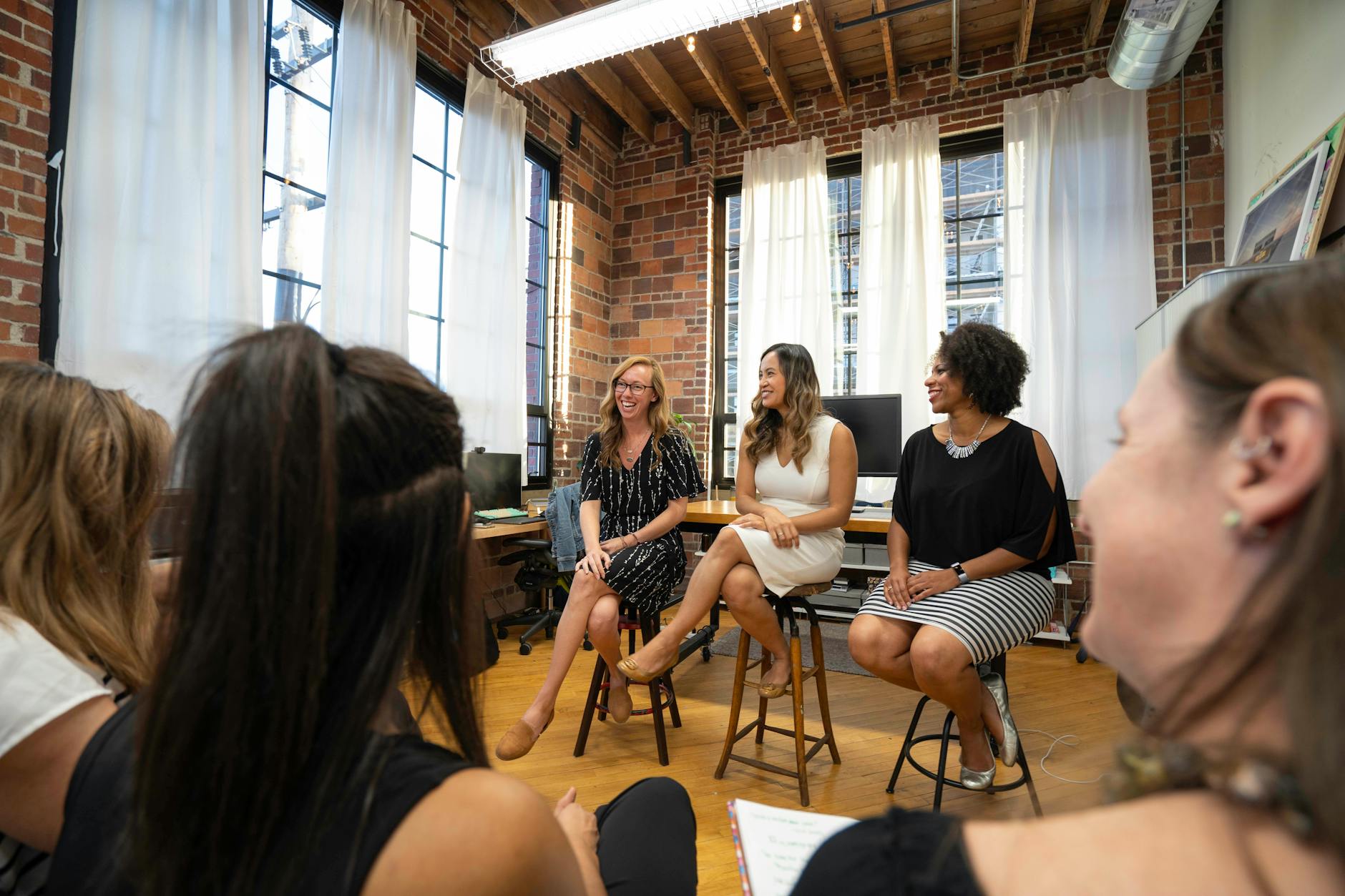
Creating inclusive community events goes beyond just choosing a venue; it involves thoughtful planning to integrate accessibility at every level. When considering event spaces like the Adelaide Convention Centre, attention to detail ensures everyone can engage fully. One must assess the layout carefully to accommodate individuals with diverse needs. This means considering not just physical access, but also ensuring that communication, particularly through audio, reaches every participant clearly.
Key Aspects of Accessibility
Accessibility at events includes several critical elements. Physical access is essential, ensuring that pathways are clear and accessible. Signage and wayfinding must be intuitive for all guests. Moreover, seating arrangements should be adaptable to accommodate wheelchairs and other mobility aids. It's also important to incorporate assistive technologies like hearing loops. In places such as theatres equipped with hearing loops at Her Majesty's Theatre, hearing-impaired guests can enjoy an enhanced audio experience that encourages inclusivity.
Importance of Audio Solutions
In many community gatherings at Victoria Square, clear communication is achieved through high-quality audio solutions. The selection of loudspeakers and a professional microphone can significantly impact how well the audience receives important messages. Quality audio systems ensure that speakers can project their voices effectively, which is crucial in spaces of varying sizes. This is particularly important in settings where individuals rely on auditory cues to participate fully in the event.
Challenges in Implementation
Despite the importance of accessibility, several challenges can arise. Budget constraints often limit the scope of implementing comprehensive accessibility measures. Event planners may struggle to find cost-effective yet high-quality audio equipment. Furthermore, some venues may lack the necessary infrastructure to support advanced accessibility features, posing an additional hurdle. Hence, planning requires strategic considerations, ensuring all visitors can engage seamlessly and comfortably.
Audio Solutions Overview
Induction and Hearing Loops
When planning community events at iconic locations like the Adelaide Convention Centre, incorporating induction loops and hearing loops is essential to ensure an inclusive environment. These audio solutions allow attendees with hearing devices, such as hearing aids, to enjoy clear sound quality by transmitting directly to their devices, reducing background noise and reverberations. This is particularly beneficial in bustling or large spaces, enhancing the experience for users at every event, from community gatherings in Victoria Square to lectures at Her Majesty's Theatre.
Role of Professional Microphones
Selecting the right recording microphone can transform an event, creating a seamless auditory experience for all attendees. Professional microphones capture speakers’ voices with clarity, ensuring that everyone can hear key messages, regardless of their seating position or potential hearing impairments. This transparency is crucial in community-focused events, promoting inclusivity throughout by allowing everyone to feel connected and engaged with the presented content.
Advantages of Paging Systems
Investing in paging systems enhances communication during events, providing real-time updates and announcements. These systems are particularly useful in expansive venues like the Adelaide Convention Centre, where clear directional and emergency messages are fundamental for both accessibility and safety. Effective paging ensures that all event-goers, including those with hearing impairments, remain informed and safe, empowering them to fully participate in the event, enhancing their overall experience. By thoughtfully integrating these audio solutions, event organisers can foster an inclusive atmosphere, ensuring that every participant, regardless of their hearing abilities, feels valued and engaged.
Implementing Solutions
Evaluating Venue Needs
When planning events, it's crucial to assess the venue's specific requirements to ensure that everyone can fully participate. Understanding the spatial layout and acoustics can help tailor audio solutions like hearing loops, ensuring accessibility for individuals with hearing impairments. This evaluation involves checking existing infrastructure and identifying upgrades needed to accommodate equipment in spaces such as the event areas in Adelaide Convention Centre.
Choosing the Right Equipment
Selecting the appropriate equipment is a vital step toward enhancing accessibility. Key considerations include the quality of professional microphones for clear voice projection and the installation of systems like the hearing loop. Opt for equipment that fits the venue's acoustics and meets the budgetary constraints common in community event planning. By doing so, you create an inclusive environment that amplifies everyone's experience without compromising on accessibility standards.
Collaborating with Audio Experts
Partnering with specialists in audio solutions can significantly improve event inclusivity. Audio professionals can offer insights into the latest advancements, ensuring your setup is efficient and effective. Their expertise is invaluable when navigating complex systems and integrating new technologies into venues like theatres equipped with hearing loops at Her Majesty's Theatre, Adelaide. By working with experts, you gain the confidence that your events will provide an exceptional and accessible auditory experience for all attendees.
Best Practices
Conducting Accessibility Audits
Conducting accessibility audits is crucial in ensuring event spaces are welcoming and inclusive for all attendees. As an event planner in Adelaide, you can take inspiration from places like the Adelaide Convention Centre, which exemplifies excellence in accessibility standards. Start by assessing the presence of assistive listening systems like the induction loop, which greatly benefit individuals with hearing impairments. Moreover, reviewing the layout for sufficient space that accommodates mobility aids ensures everyone can navigate comfortably.
Engaging with the Audience
Engaging directly with your audience helps tailor events to meet their needs better. Encourage feedback from attendees at community gatherings, like those held at Victoria Square, to understand their experiences and suggestions. Direct engagement can foster a deeper sense of community and highlight specific areas for improvement, particularly concerning audio and communication systems. By prioritising audience interaction, you create an environment where inclusivity is inherent and valued.
Continuous Feedback and Improvement
Continuing improvement in your events' accessibility can have a profound impact on attendee satisfaction. Use theatres, such as Her Majesty's Theatre, as examples where updating systems like hearing loops has enhanced visitor experience. Regularly seek feedback through surveys or post-event forums, ensuring that insights gained are addressed in future events. This commitment to progress shows audiences that their needs are a top priority and can significantly boost participation and engagement.
Avoiding Common Pitfalls
Understanding Audience Requirements
In my years of organising events at places like the Adelaide Convention Centre, I've seen how crucial it is to really understand the audience's needs, especially when it comes to access. It's rewarding to witness how community gatherings at Victoria Square thrive when everyone feels included. To get there, we need to consider aspects of accessibility from the get-go. Who's attending? Do we have families with kids, or are we expecting individuals who rely on aids like hearing loops? Avoiding these considerations can lead to disengagement, which is the opposite of our goal.
Focusing on Equipment Quality
Quality matters. Ensuring that we use the best possible equipment, like professional microphones and well-functioning induction loops, prevents technical failures that can disrupt the experience for everyone. I always emphasise choosing reliable equipment when planning events, similar to what one might find in theaters equipped with hearing loops at Her Majesty's Theatre. You don't need the most expensive tech, but something that's trustworthy and fit-for-purpose.
Committing to Regular Testing
Regular testing is something we cannot skip. It might seem tedious, but it's vital for ensuring everything works as expected. Before any significant event, such as a local festival or community meeting, running tests helps us identify any potential issues. By doing so, we can seamlessly bridge our mission of fostering inclusivity with practical audio solutions, making all attendees feel truly heard and valued.